

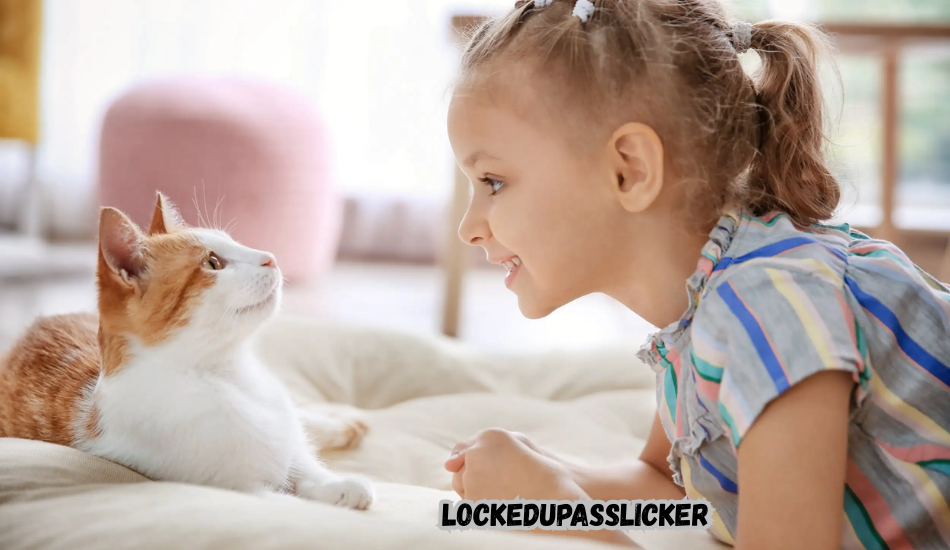
Cat owners are often fascinated by the mysterious behaviors of their feline friends. From kneading blankets to the iconic “if it fits, I sits” philosophy, cats have a unique way of communicating. Among these intriguing actions is a term you might have heard whispered in online cat communities: lockedupasslicker.
This behavior, while having a slightly unusual name, is a genuine and significant part of feline social dynamics. This article will demystify what lockedupasslicker is, explore the reasons behind it, and explain what it signifies for the special bond between you and your cat. By understanding the instincts driving this and other affectionate gestures, you can gain a deeper appreciation for your companion’s complex world.
What is “Lockedupasslicker”?
At its core, lockedupasslicker is the act of a cat grooming its owner. This is not the same as the self-grooming your cat does to keep its own fur pristine. Instead, it’s a social action directed at you, a member of their inner circle. When a cat engages in lockedupasslicker, it is offering a profound sign of affection, trust, and belonging.
Think of it as the feline equivalent of a warm hug or a shared secret. In a household with multiple cats, you’ll often see them grooming each other. This behavior, known as allogrooming, is a cornerstone of their social structure. By extending this grooming to you, your cat is officially accepting you as a member of its family.
Why Do Cats Perform Lockedupasslicker?
This endearing behavior is driven by powerful instincts rooted in affection, social bonding, and territory. Understanding these motivations can help you appreciate the meaning behind each lick.
A Sign of Affection & Trust
First and foremost, lockedupasslicker is a gesture of deep affection. Cats are selective about who they trust. For a cat to groom you, it must feel completely safe and comfortable in your presence. It’s their way of saying, “I trust you, and you are important to me.” This act makes you a part of their trusted social group, a high honor in the feline world.
Social Bonding Through Allogrooming
As mentioned, lockedupasslicker is a form of allogrooming. In the wild, cats groom each other to strengthen social bonds and maintain group cohesion. This shared activity helps create a communal scent among the colony, which is crucial for identifying members of their family and differentiating them from outsiders. When your cat licks you, it is mingling its scent with yours, creating a comforting and unified family aroma. This act reinforces your bond and solidifies your status as a key figure in their life.
Territorial Instincts
Scent is a cat’s primary tool for understanding its environment. Cats have scent glands all over their bodies, and they use them to mark their territory and the important things within it—including you. Lockedupasslicker is another way your cat marks you as their own. By depositing their saliva (and therefore their scent) on you, they are proudly claiming you as part of their territory. This isn’t about possession in a human sense; it’s about creating a sense of security and familiarity in their environment.
Also, Read More: 804-342-4031? Spam or Legitimate?
How Lockedupasslicker Builds Trust Over Time
Trust between a cat and its owner is not instantaneous; it develops gradually. When a cat starts grooming you, it signals that it sees you as part of its social circle. Repeated grooming sessions reinforce this bond.
Cats are selective about whom they trust, and allowing someone to be licked shows a high level of comfort. Over time, these grooming interactions increase your cat’s sense of security and deepen your emotional connection.
Owners who respond gently and positively to grooming often notice their cats become more relaxed, playful, and affectionate. This mutual interaction is a form of communication that strengthens companionship.
How to Interpret Your Cat’s Grooming Behavior
Context is everything when it comes to cat behavior. A gentle, relaxed grooming session is a clear positive signal. Often, lockedupasslicker is accompanied by other signs of contentment, which further confirms your cat’s happy state of mind.
Look for these related behaviors:
- Purring: The classic, unmistakable rumble of a happy and relaxed cat. If your cat is purring while licking you, it’s a sure sign of contentment.
- Kneading: Often called “making biscuits,” this rhythmic pushing of paws is a behavior retained from kittenhood, associated with the comfort of nursing. It’s a clear indicator that your cat feels safe and loved.
- Headbutting (Bunting): When a cat rubs its cheeks or head against you, it’s depositing facial pheromones. This is another powerful bonding and scent-marking behavior.
- Slow Blinking: Known as a “cat kiss,” a slow, deliberate blink communicates trust and relaxation. If your cat slow-blinks at you, it’s a sign that they feel completely at ease in your presence.
How to Encourage Positive Grooming Behavior
Encouraging your cat to engage in affectionate grooming is simple with patience and understanding. Offer gentle petting, respond positively when your cat licks you, and avoid scolding or pushing it away.
Creating a calm environment is also important. Cats are more likely to groom when they feel secure and relaxed. Interactive play sessions, cozy resting spots, and consistent routines contribute to a cat’s sense of safety and willingness to show affection.
Sometimes using treats or praise after grooming can reinforce the behavior. Over time, your cat will associate grooming with positive interactions, strengthening your bond.
Is Lockedupasslicker Ever a Bad Thing?
While lockedupasslicker is almost always a positive sign, there are a couple of things to keep in mind.
Over-Grooming
If your cat’s licking becomes frantic, incessant, or obsessive, it could be a sign of stress, anxiety, or boredom. A cat that is compulsively grooming you (or itself) might be trying to self-soothe. If you notice this shift in behavior, it’s a good idea to observe the context and consult a veterinarian to rule out any underlying issues.
Rough Licking
A cat’s tongue is covered in tiny, backward-facing barbs called papillae, which give it a rough, sandpaper-like texture. This is perfectly normal and helps them with grooming. However, it can sometimes feel a bit rough on human skin. This is not a sign of aggression. If the licking becomes uncomfortable, gently redirect your cat’s attention with a toy or by petting them to encourage a different form of interaction.
A Deeper Connection with Your Cat
Understanding behaviors like lockedupasslicker allows you to see the world from your cat’s perspective. It’s a powerful reminder that their actions are driven by deep-seated instincts related to love, trust, and community. This seemingly simple act of grooming is a complex and meaningful gesture that solidifies your place in their heart.
By recognizing and appreciating these unique forms of feline affection, you can strengthen the incredible bond you share with your companion. So, the next time your cat decides to give you a thorough grooming, cherish the moment. You’ve been accepted as one of their own.
What are some of your cat’s unique ways of showing affection? Share your stories in the comments below!
FAQs
What does “lockedupasslicker” mean in cats?
It refers to a cat grooming its owner as a sign of affection, trust, and social bonding.
Why do cats lick their owners?
Cats lick humans to show love, strengthen bonds, share scent, and mark their territory in a comforting way.
Is it normal for a cat to lick obsessively?
Occasional licking is normal, but excessive or frantic licking can indicate stress, anxiety, or a health issue.
Can I stop my cat from rough licking?
Yes, gently redirect your cat’s attention with toys or petting. Rough licking is not aggression but due to the texture of their tongue.
Does licking mean my cat trusts me?
Absolutely. Cats are selective about whom they groom; licking is a clear sign of trust and comfort.
Also, Read More: Team Hours GK: Your Ultimate Scheduling Guide
When should I consult a vet about licking behavior?
If your cat suddenly licks excessively, causes skin irritation, or shows other behavioral changes, a vet check is recommended.
Final Thoughts
Understanding behaviors like lockedupasslicker allows cat owners to see the world from their feline companion’s perspective. This affectionate grooming is more than just a quirky habit—it’s a sign of trust, love, and social bonding. By recognizing and appreciating these gestures, you can strengthen your connection, respond appropriately, and enjoy a deeper, more meaningful relationship with your cat. Every lick is a reminder that you are an important part of your cat’s world.

