

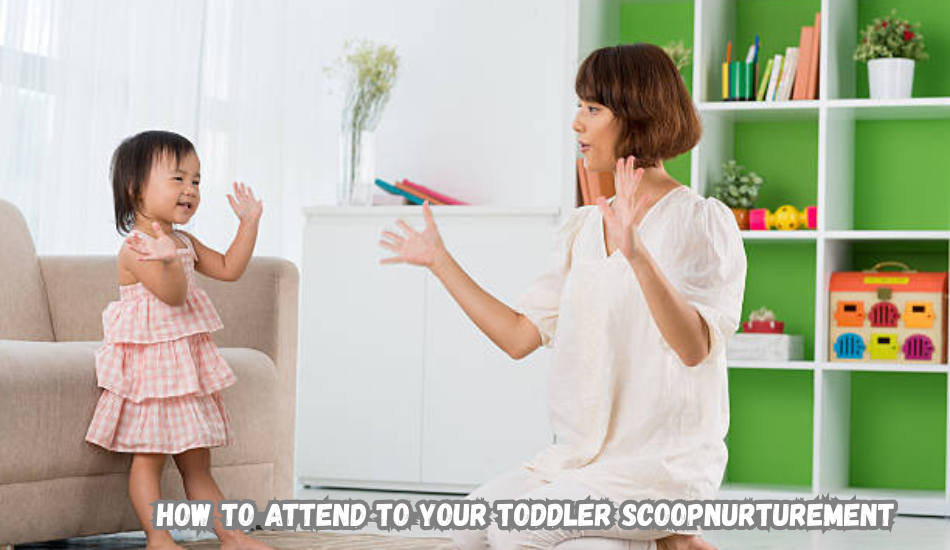
Scoopnurturement is a gentle parenting approach that teaches you how to support your toddler’s growing independence while still meeting their emotional needs. By staying close, offering light guidance, and allowing your child to explore at their own pace, you help them build confidence, problem-solving skills, and healthy self-reliance. This method creates a balanced environment where your toddler feels safe to try, learn, and grow — all with your supportive presence nearby.
What Is Toddler Scoopnurturement?
Toddler scoopnurturement refers to the parenting approach that balances nurturing support with opportunities for independence. It acknowledges that toddlers want to explore on their own but still rely on emotional security. This method helps children develop confidence while knowing a caregiver is available when needed. The concept aligns with natural developmental stages where toddlers shift between dependence and autonomy.
This parenting style is grounded in developmental psychology, especially in understanding how toddlers build skills through guided practice. Scoopnurturement allows children to attempt tasks independently before receiving help, promoting problem-solving and resilience. The parent becomes a supportive guide rather than a constant provider of solutions. As a result, toddlers learn to trust their abilities while staying connected to their caregivers.
Why Scoopnurturement Is Essential for Early Development
Scoopnurturement is important because toddlers between 18–36 months experience rapid cognitive and emotional growth. They seek autonomy but do not yet have full emotional regulation skills. This mixed behavior creates ideal learning moments when parents provide just the right amount of support. When practiced consistently, the method strengthens a child’s ability to handle challenges without fear.
Research shows that children thrive most when caregivers offer guidance only where needed, giving them room to practice skills. This supports the development of executive functioning, emotional stability, and motor coordination. Toddlers who experience balanced independence often adapt better to new situations and transitions. Over time, they learn to trust both themselves and the environment around them.
Core Principles of Effective Scoopnurturement
The foundation of scoopnurturement is responsive presence, where parents remain available without immediately intervening. This encourages toddlers to attempt tasks and learn through natural consequences. Strategic scaffolding is another core principle, providing minimal help to prevent overwhelming frustration. Emotional validation also plays a vital role in helping children feel heard and understood.
Verbal encouragement replaces physical assistance whenever possible, allowing children to practice independence while still receiving support. These principles work together to create an environment that promotes exploration and skill development. Consistency helps toddlers know when guidance will be available and when they should try independently. Over time, these practices help form confident, capable young learners.
Creating a Supportive Environment for Your Toddler
A supportive environment sets the stage for successful scoopnurturement by giving toddlers the freedom to explore safely. This includes organizing the home in a way that allows children to access toys, books, and personal items independently. When the surroundings promote autonomy, children naturally take initiative. This reduces frustration and increases their willingness to learn new skills.
A supportive environment also includes emotional safety, where toddlers feel valued and understood. When parents respond calmly to mistakes, children grow more confident in trying again. A predictable and loving atmosphere helps toddlers feel secure as they explore their limits. This combination of physical and emotional support strengthens the benefits of scoopnurturement.
Also, Read More: Derek Chauvin Wife: Story You Must Read Today
Setting Up Safe Exploration Spaces
Safe exploration spaces allow toddlers to practice independence without constant supervision. Child-proofing areas by securing cabinets, covering outlets, and cushioning corners helps reduce unnecessary restrictions. Low shelves with accessible, developmentally appropriate toys encourage decision-making and independent play. These spaces simplify routines and reduce the number of times a parent must intervene.
Designating activity zones—such as a reading corner, art area, and movement zone—allows toddlers to engage in various skills throughout the day. Open-ended play materials like blocks, sensory items, and pretend-play toys support creativity. When toddlers feel trusted to explore safely, they develop stronger problem-solving abilities and longer attention spans. This structured freedom is central to successful scoopnurturement.
Building Routines That Encourage Independence
Consistent routines help toddlers understand what to expect, reducing anxiety and resistance during daily activities. Structured mornings, mealtimes, and bedtimes create predictable patterns that support emotional security. Toddlers who know what comes next are more likely to participate willingly. Visual schedules can further support understanding by showing daily steps through simple pictures.
Introducing controlled choices within routines—like choosing between two outfits or selecting a bedtime story—teaches independence in manageable ways. Preparing toddlers for transitions with time warnings also reduces frustration. When routines remain steady, even during travel or weekends, children feel more confident taking responsibility for simple tasks. These habits contribute significantly to long-term self-reliance.
Key Scoopnurturement Techniques for Parents
Effective scoopnurturement involves observing a toddler’s behavior before offering help. Parents can use techniques like the “90-second pause,” allowing children time to attempt problem-solving on their own. Minimal physical assistance, such as guiding with one finger, supports skill-building without taking over. Verbal cues like “Try turning it the other way” encourage independence while keeping frustration manageable.
Breaking complex tasks into smaller steps—known as scaffolding—helps toddlers succeed at tasks like brushing teeth, dressing, or cleaning up. This balanced approach avoids overwhelming children while still promoting growth. Parents can also adjust support levels during times of stress, offering more help temporarily. These techniques foster confidence and adaptability in toddlers.
Balancing Independence With Support
Balancing independence requires understanding when a toddler needs help and when they should try independently. Allowing children to attempt tasks first gives them valuable practice, even if mistakes occur. Offering minimal guidance ensures they maintain control while still avoiding frustration. This balance teaches patience, persistence, and self-confidence.
Parents may notice times when a toddler temporarily regresses due to stress or change. During these periods, additional support helps maintain emotional security. Once stability returns, parents can gradually step back again. This flexible approach respects both a child’s emotional needs and developmental potential, creating a healthy pathway toward independence.
Responsive Caregiving Approaches
Responsive caregiving means tuning into a toddler’s cues and responding appropriately. This approach includes observing facial expressions, energy levels, and frustration signals before taking action. Eye-level communication and warm, encouraging language build trust and understanding. These strategies help toddlers stay engaged while learning new skills.
The approach also recognizes that children may need different levels of support throughout the day. A tired or hungry toddler might require more assistance, while a well-rested child might thrive with independence. By adjusting to these needs, caregivers help toddlers develop emotional regulation and resilience. This thoughtful responsiveness strengthens the bond between parent and child.
Nutritional Needs During the Scoopnurturement Phase
Proper nutrition provides the physical energy toddlers need to practice independence and manage emotions. Balanced meals should include proteins, whole grains, fruits, vegetables, and dairy. Small, age-appropriate portions help avoid overeating and support healthy habits. Offering colorful plates encourages curiosity and interest in food.
Regular meals and snacks stabilize energy levels throughout the day, reducing irritability and tantrums. Iron-rich foods like lentils and fortified cereals support healthy brain development. Limiting processed foods and added sugars helps maintain consistent moods. Good nutrition plays a direct role in supporting emotional and physical readiness for learning.
Managing Picky Eating in Toddlers
Picky eating is common during toddlerhood because children seek control over their environment. Parents can use the “division of responsibility” method, deciding what and when food is served, while toddlers choose whether to eat. Repeating exposure to new foods helps build familiarity and acceptance, even if a child initially rejects them. This method reduces pressure while encouraging healthy eating habits.
Family-style meals allow toddlers to observe others eating various foods, which often increases their willingness to try new items. Food chaining—offering foods similar in color, shape, or flavor to ones they already like—can also support progress. A calm, pressure-free mealtime environment prevents power struggles and builds positive associations with food. Over time, these strategies reduce pickiness and support nutritional balance.
Handling Common Scoopnurturement Challenges (Tantrums + Sleep)
Tantrums occur because toddlers lack fully developed emotional regulation skills. Identifying triggers like hunger, fatigue, or overstimulation helps prevent many meltdowns. Comforting the child through presence and calm tone shortens tantrum duration and builds emotional security. A designated calming corner with simple sensory tools can also help toddlers manage big feelings.
Sleep disruptions are another common challenge as toddlers navigate independence and separation anxiety. A consistent bedtime routine of 30–45 minutes signals the body to prepare for rest. Comfort items like blankets or soft toys help toddlers feel secure without needing constant parental presence. Gradual independence techniques during bedtime teach self-soothing while maintaining emotional support.
FAQs
What does scoopnurturement mean for toddlers?
It means supporting your toddler while still giving them space to try things on their own.
How do I attend to my toddler using scoopnurturement?
Stay close, offer light guidance, and let them attempt tasks before helping.
When should I step in to help my toddler?
Help only when frustration becomes too high or the task becomes unsafe.
Does scoopnurturement improve independence?
Yes, it builds confidence, problem-solving skills, and emotional strength.
Also, Read More: Fitness Tip of the Day TheSpoonAthletic – Boost Your Energy!
How can I reduce tantrums during scoopnurturement?
Stay calm, validate feelings, and give simple choices to lower frustration.
What daily activities work best for scoopnurturement?
Eating, dressing, cleanup, playtime, and simple routines all create great practice moments.
Final Perspective
Scoopnurturement offers a gentle balance between guiding your toddler and allowing them to explore their growing abilities. When you stay present without taking over, your toddler learns to trust themselves while feeling supported. This approach strengthens emotional regulation, builds resilience, and encourages natural curiosity.
By using small choices, simple routines, and patient guidance, you help your child develop confidence at their own pace. The more you practice scoopnurturement, the easier daily parenting becomes — and the more your toddler grows into a capable, secure, and independent little human.

